







You finally found the perfect paper print, measured your wall space, and slipped the artwork into beautiful custom framing or picture frames.
Once hung, something feels off. Maybe the glass surface looks hazy with annoying glare, lacks an anti-reflective coating, or the picture frame feels heavy. You might wonder about its durability and if the framed artwork is safe above the sofa.
The photo frame is great, but is it the perfect glass? Deciding on the right glass and picture frame glass thickness for your picture frames is a vital choice in custom framing. Most never think about it until their valuable items, papers, or other works are damaged.
In this guide, we explain what picture frame glass thickness is, explore different types of photo framing glass options, including regular glass, museum glass, acrylic plexiglass, and plexiglass.
We also enlighten you on how thickness affects the glass surface, and what to look for when choosing a frame glass.
What Is Photo Frame Glass Thickness and the Different Types?
Glass thickness is measured in millimeters, and those millimeters make a big difference for picture frames. In the custom framing world, thickness refers to the measurement of the glass surface that sits directly between your artwork and the outside world.
This thickness defines the physical layers of protection, shielding your art and artwork from UV light exposure and UV rays.
Thickness is a highly meaningful variable for picture frames and quality glass. It directly shapes the heaviness of your frame, its overall durability, and its optical clarity.
It also determines the level of UV protection your valuable art and artwork receive from UV rays and direct sunlight.
Proper protection from UV is vital. Here is a quick look at common options:
- Standard Clear Glass (2mm): The everyday workhorse standard glass that is light and widely used for picture frames.
- Thicker Standard Glass (3mm): A step up in durability for medium sizes like 12 x 16 frames.
- Tempered Glass (4mm+): Built for oversized works and professional displays.
- Acrylic (Varies): Shatter-resistant acrylic plexi alternative ideal for families, offering great UV protection and reflection control.
Most everyday consumer picture frames use standard 2mm glass. A 2 mm thickness of glass accommodated by most picture frames remains rigid even for oversized works and other works.
This thickness strikes the perfect balance of high clarity, lightweight handling, and reflection control for art.
|
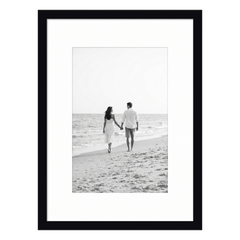
Americanflat Picture Frame with Mat | Polished Plexiglass | Slim Molding |

|
|
|
Key Insight: Standard 2mm glass isn't a compromise for picture frames but an industry staple. It provides the optimal balance of optical clarity, affordability, reflection control, and lightweight handling for artwork. |
Common Picture Frames Options
Here is how the most common photo framing glass options stack up across the dimensions that matter most. Understanding this difference helps when choosing picture frames.
Professional-grade displays use conservation glass, reflection control glass, or museum glass for superior reflection control, UV protection, and anti-reflective quality.
|
Glass Type |
Thickness |
Weight |
UV Protection |
Shatter Resistance |
|---|---|---|---|---|
|
Standard Clear Glass |
2mm |
Light |
Basic UV protection |
Moderate |
|
Thicker Standard Glass |
3mm |
Medium |
Basic to Moderate UV protection |
Good |
|
Tempered / Heavy Glass |
4mm+ |
Heavier |
Varies |
High |
|
Acrylic (Plexiglas) |
8mm - 1mm |
Very Light |
Often built-in UV protection |
Shatter-resistant acrylic plexi |
Standard 2mm glass is the go-to choice. It is light enough to hang securely in picture frames and clear enough to let detailed artwork breathe with high clarity. It is perfectly priced, making it a great solution for less valuable items.
Thicker 3mm glass steps are ideal when picture frames get bigger, and the paper substrate needs support. It offers a medium stability upgrade for 18 x 24 frames and oversized works.
This thickness is noticeable in heaviness but rarely prohibitive, offering great resistance for framed artwork.
Heavy 4mm tempered glass or conservation glass is reserved for absolute protection and longevity. It is significantly stronger and fits heavy, valuable art, or other works perfectly.
Finally, acrylic plexiglass and plexiglass are genuinely smart, shatter-resistant alternatives for active spaces.
Acrylic is remarkably lightweight, impact-resistant, and features built-in UV protection from UV rays. For most, 2mm glass remains the confident default that balances beauty, clarity, and practicality for less valuable items and photography.
How Thickness Affects The Glass Surface, Acrylic Plexi, and Anti-Reflective Options
Thickness shapes the entire experience of displaying art in picture frames. Thinner glass layers deliver excellent optical clarity for photographs, ensuring colors and matte finish stay true.
Thicker glass introduces visual glare unless you invest in anti-reflective coating, an anti-reflective surface, or premium museum glass.
Every millimeter of thickness adds meaningful mass across larger picture frames. Standard glass is twice as heavy as acrylic (polished plexiglass), making material choice critical for oversized works and large dimensions. Heavier glass demands robust hardware for optimal protection.
Exposure to direct sunlight and UV light causes artwork fading, and photo framing glass prevents it. A UV protection panel or conservation glass blocks 97% of harmful UV rays.
This is incredibly important for preserving the longevity and colors of valuable art and images hung in bright rooms.
Standard 2mm glass is safe, offering basic protection, but it can break upon contact. Tempered glass is heat-treated to be stronger with high resistance.
Acrylic and plexiglass stand out as the ultimate shatter-resistant, ideal choice for high-traffic hallways where protection for your valuable items is paramount.
Choose The Right Glass and Reflection Control Glass For Your Space

Theory only goes so far, so let us see how glass thickness plays out. When a soft, sentimental piece of paper art goes up in a bedroom, protection comes first.
Standard regular glass that could shatter is not the ideal choice in spaces where kids roam, so acrylic is the better choice.
When weighing acrylic versus standard glass, choose acrylic, plexiglass, or 2mm glass placed safely out of reach. Both picture frame options are lightweight, easy to install, and safe, providing sufficient basic protection and clear glass surface quality for soft images.
Visual consistency and minimal glare are key when setting up gallery wall picture frames. The picture frames need to hang level and work together effortlessly without annoying reflection from the glass surface or ambient light.
Using standard 2mm glass across all picture frames ensures uniform weight, making leveling easier. For valuable items or other works, weight distribution matters.
|
Pro Tip: When building a gallery wall, always use the same glass thickness across all picture frames. Uniform weight makes hanging significantly easier and ensures consistent light reflection and anti-reflective properties. |
Quick Tips Before You Buy Picture Frames
Before you order non-glare picture frames, run through these checks. They help you get the perfect glass, acrylic, and right glass on the wall correctly.
- Measure your art and substrate first: The right glass thickness will not matter if the overall picture frame's dimensions are off.
- Check your wall type: Thicker glass layers need strong anchors for protection. Renters should lean toward 2mm picture frames or lightweight acrylic.
- Match the glass to the value of the art: Upgrading to museum glass or reflection control glass for sentimental photography, valuable art, or other works.
Proper Picture Framing Glass Makes Every Frame Better
Ultimately, the glass thickness of your picture frame shapes how your framed artwork looks in the picture frame. It determines how colors stay vibrant under UV rays, how well UV protection shields UV light, and how safely art hangs without direct contact damage to the glass surface.
Decorating with different types of art should feel exciting, not bogged down by worries about glass quality, reflection, or glare.
For everyday displays and less valuable items, 2mm standard regular glass with an anti-reflective surface and anti-reflective coating is the practical choice. It balances clarity, protection, and light weight, serving as trusted photo framing glass.
Thicker glass, plexiglass, or museum glass protects heavy, oversized works and art with matte finish details.
Ready to bring walls to life and showcase images, photographs, and art? Find the perfect right glass, acrylic, and reflection control solution to match the correct size, type, and style for your custom framing.
Enjoy the process of making your space feel yours entirely with ideal picture frames.